The Business
An independent medical store carrying roughly 1,200 SKUs, from over-the-counter medication to prescription drugs, with strict expiry-date sensitivity on nearly every product.
The Problem
Stock was reordered without a clear view of which batches were closest to expiry, and shelf restocking wasn't consistently done FIFO (first in, first out). Newer stock was sometimes placed in front of older stock simply because it was faster to shelve. Expired stock write-offs were running close to 4% of inventory value per year. A meaningful loss in a business with already-thin margins on regulated products.
What They Changed
- Enforced strict FIFO shelving. Older-dated stock always moved to the front
- Built a simple expiry report sorted by days-until-expiry, reviewed weekly
- Flagged anything within 90 days of expiry for a discount push or return to supplier where possible
- Adjusted reorder quantities down for slow-moving SKUs with a history of expiring unsold
The Result
Expired-stock write-offs dropped 92% within four months. From roughly 4% of inventory value to under 0.5%. The fix required no new software purchase, just a disciplined FIFO process and a weekly expiry report.
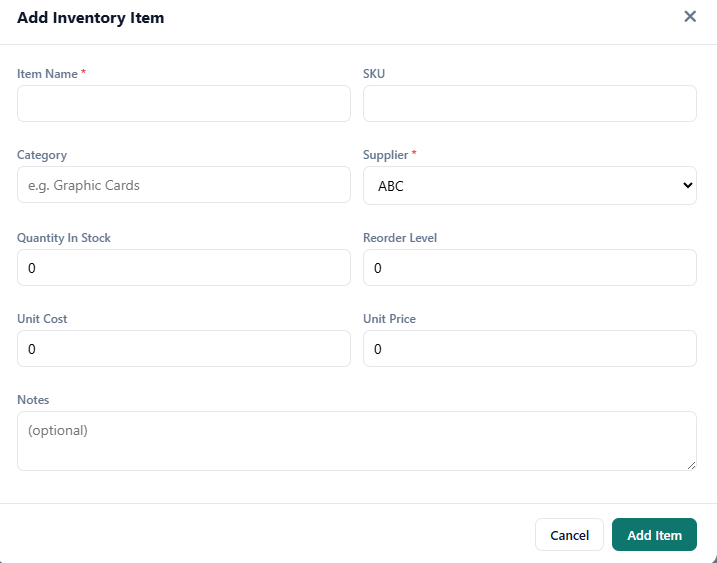
FIFO discipline is one of the highest-leverage, lowest-cost fixes in inventory management for any expiry-sensitive business. CircularGuru Business Suite can generate this same expiry-sorted view automatically from live stock data.
Could This Apply to Your Business?
- Is shelf restocking done consistently FIFO, or whichever box is fastest to reach?
- Do you have a report sorted by days-until-expiry, or would you find out from a write-off?
- What percentage of inventory value did you write off to expiry last year?
FAQ
Did this fix require new software or equipment?
No. The fix required no new software purchase, just disciplined FIFO shelving and a weekly expiry report sorted by days-until-expiry.
Why was expired stock such a significant loss for this business?
Write-offs were running close to 4% of inventory value per year, a meaningful loss in a business with already-thin margins on regulated products.
What was the single biggest process change?
Enforcing strict FIFO shelving so older-dated stock always moved to the front, instead of newer stock being placed there simply because it was faster to shelve.
Read the Guides Behind This Story
- Why Inventory Mistakes Destroy Small Businesses. the guide behind this story
- 10 Signs You've Outgrown Excel for Inventory. the guide behind this story
- Inventory KPIs Every Business Should Track. the guide behind this story