The Business
A family-owned hardware store operating two locations, carrying roughly $180,000 in average inventory across plumbing, electrical, tools, and general hardware categories. Stock was tracked in a shared spreadsheet, updated manually by whichever staff member had time.
The Problem
Inventory losses were higher than the owners realized. Manual counts at each location rarely matched what the spreadsheet said. Slow-moving stock. Seasonal items, discontinued product lines, duplicate purchases made because nobody could quickly check the other location's shelf. Sat for months before anyone noticed. Combined shrinkage and dead-stock write-offs were running close to 7% of inventory value against an industry benchmark closer to 1.5–2%.
What They Changed
- Set reorder points on the top 25% of SKUs by revenue instead of reordering by eye
- Switched from an annual full count to weekly rotating cycle counts covering a slice of the catalog
- Ran an ABC analysis to separate fast movers from slow, seasonal, and dead stock
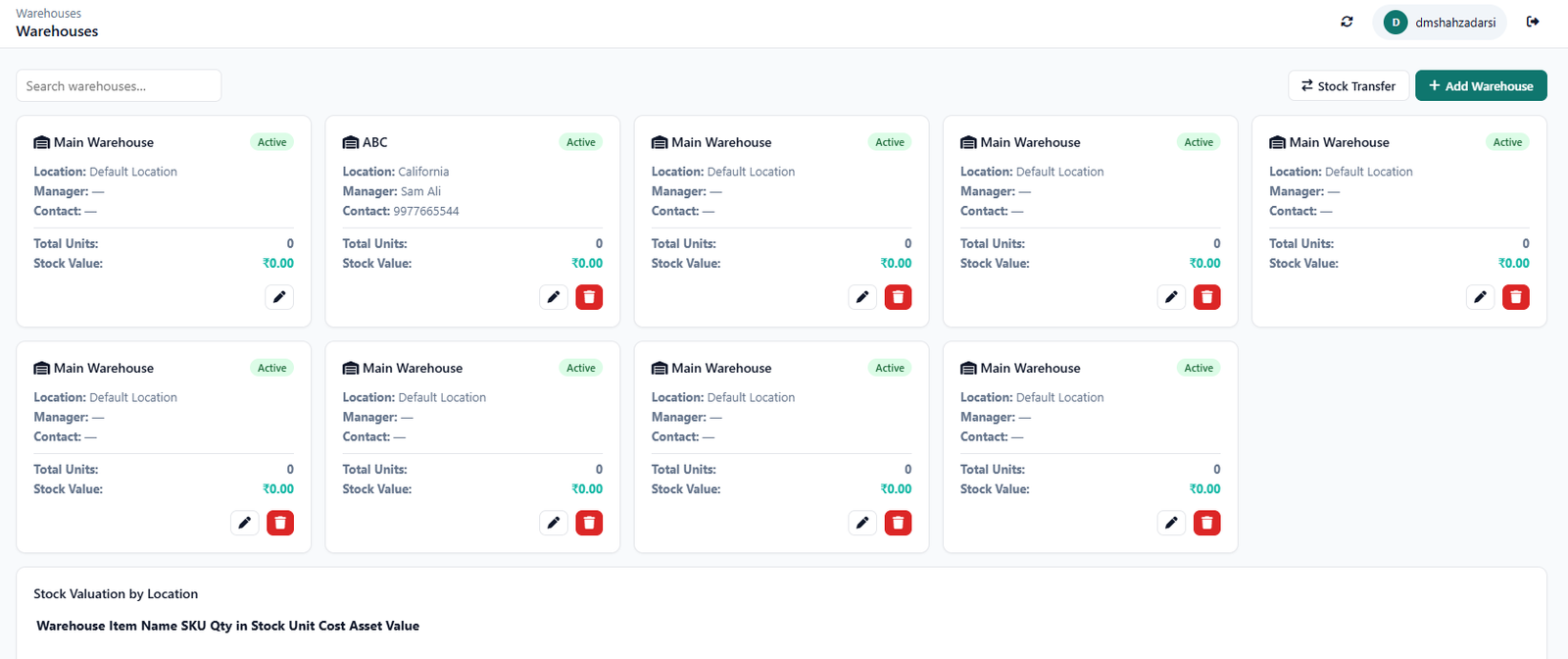
- Made stock levels visible across both locations in real time, eliminating duplicate purchases between them
The Result
Within 90 days, combined shrinkage and dead-stock write-offs dropped from roughly 7% to 2.3% of inventory value. Recovering an estimated $14,000+ per year that had previously been quietly absorbed as "just part of running a hardware store." Reorder decisions became faster because staff were acting on a number instead of a shelf glance, and duplicate cross-location purchases stopped almost entirely.
The turning point wasn't a new supplier or better pricing. It was simply having accurate, real-time inventory data across both locations instead of a spreadsheet that was accurate the day someone last updated it. That's the exact gap CircularGuru Business Suite is built to close.
Related reading: Why Inventory Mistakes Destroy Small Businesses and Inventory KPIs Every Business Should Track.
Could This Apply to Your Business?
- Do manual counts at your locations regularly disagree with what your records say?
- Have duplicate purchases happened because staff couldn't check another location's stock?
- Do you know your current shrinkage and dead-stock rate as a percentage of inventory value?
FAQ
What was actually causing this hardware store's inventory loss?
A mix of manual counts that rarely matched the spreadsheet, slow-moving stock sitting unnoticed for months, and duplicate purchases made because staff couldn't quickly check the other location's shelf.
Did fixing this require new software or a big investment?
The core fix was process: calculated reorder points, weekly rotating cycle counts, and real-time visibility across both locations, rather than a large capital purchase.
How long did it take to see results?
Measurable improvement, shrinkage and dead stock dropping from roughly 7% to 2.3% of inventory value, showed up within 90 days.
Read the Guides Behind This Story
- Why Inventory Mistakes Destroy Small Businesses. the guide behind this story
- 10 Signs You've Outgrown Excel for Inventory. the guide behind this story
- Inventory KPIs Every Business Should Track. the guide behind this story